
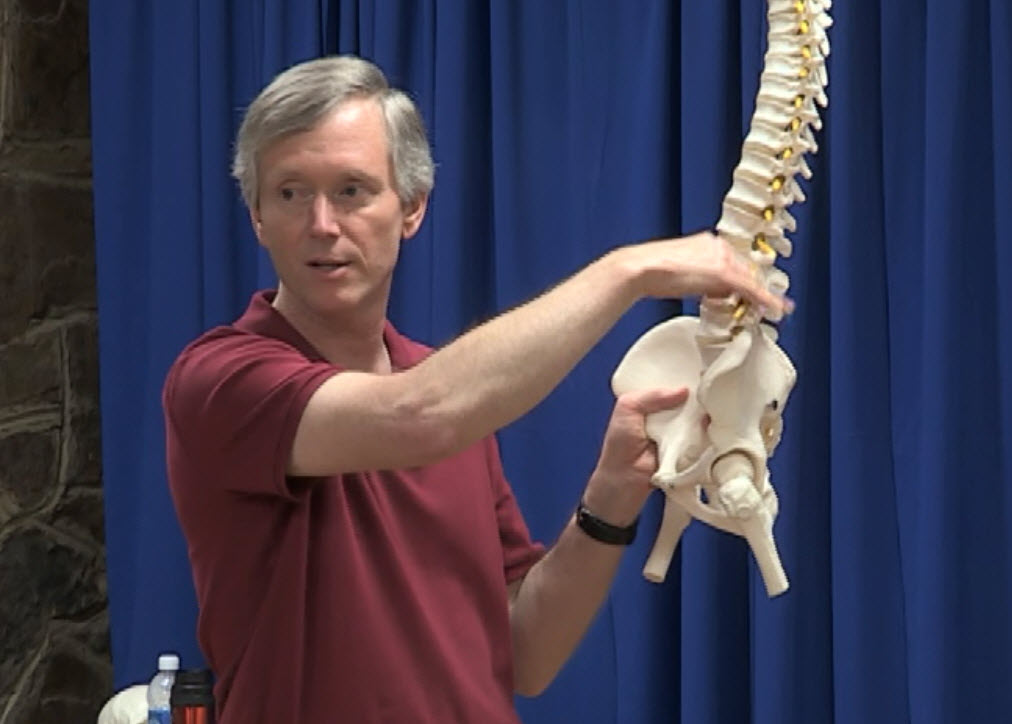
DIT for Treating Leg, Knee, & Foot Pain
Hands-On Soft Tissue Mobilization Techniques
Direct-Indirect Technique™ for the Legs, Knees, and Feet is a powerful therapeutic modality that facilitates the release of painful muscular and fascial restrictions that develop over time due to injuries, poor posture, repetitive movement patterns, and stress.
 In this class, you will learn real tools for the legs, knees and feet that you can use right away in your practice, maximizing the effectiveness of your massage technique while minimizing stress on your body.
We will focus on the Leg and Foot muscles, including the Quadriceps, Hamstrings, the TFL and IT Band, Gastrocnemius/Soleus, Anterior & Posterior Tibialis, as well as other muscles, tendons, and fascial structures. You will also learn how to relieve knee pain, plantar fascitis, and more.
You will practice a specific combination of myofascial, neuromuscular, deep tissue, and cranial-sacral techniques for relieving tight leg, knee and foot muscles and fascia – a blend of deep and gentle techniques that are very effective when used together.
We will explore the muscle and fascial anatomy of the legs, knees and feet, as well as common compensation patterns and trigger point referral patterns, and demonstrate how these can be relieved using these techniques. We will look at which leg, knee and feet conditions can benefit from the use of these techniques and which conditions are contraindicated.
Since several leg muscles attach to the pelvic bones, tightness or weakness in these muscles and tendons is often involved in low back pain patterns. Thus, it’s highly beneficial to take the DIT-Legs class along with the DIT-Low Back and Upper Back classes.
“This was my third set of CEUs with John and his are easily the best CEUs I’ve taken. When I leave his CEUs I am able to immediately incorporate what I’ve learned into client body work. His presentation and professional presence help make his classes fun as well as instructive.” ~ Sidney
DIT for Treating Upper Back Pain and Related Conditions
In this class, you will learn real tools for the upper back that you can use right away in your practice, maximizing the effectiveness of your massage technique while minimizing stress on your body. There is hardly a person on the planet that does not have upper or mid back pain and soreness at some point in their lives. We find people with extraordinarily tight muscles and fascia in this region every day!
 With this class, you will practice a specific combination of myofascial, neuromuscular, deep tissue, and cranial-sacral techniques for relieving tight upper back muscles and fascia – a blend of deep and gentle techniques that are very effective when used together.
We will explore the muscle and fascial anatomy of the upper back, as well as common compensation patterns and trigger point referral patterns, and demonstrate how these can be relieved using these techniques.
Areas of focus include techniques for the rhomboids, mid & lower trapezius, erector spinae, deep rotators & multifidi, and other spinal muscles, serratus muscles, as well as the pectoral muscles, which often counterbalance upper back tightness.
So many things that we do these days encourage poor postural patterns. Our occupations, our activities, even our furniture often lead to back problems. We tune out all the soreness for awhile, until the time comes when we can’t ignore it any longer. These DIT techniques are very effective at relieving clients’ sore backs, so that they feel better longer and are able to comfortably continue their jobs and activities.
The DIT-Upper-Back class can be taken on its own or combined with DIT-Legs and DIT-Low-Back for even greater results.
“In 25 years of education workshops and massage CEU classes this is the best experience I’ve ever had. The instructor is extremely knowledgeable.” ~ Linda
DIT to Effectively Relieve Low Back Pain
This class will focus on specific Direct and Indirect Techniques to relieve low back issues. You will learn how to use the DIT techniques to treat Low Back pain, hip and pelvis soreness, tight Quadratus Lumborum, medial rotators (Gluteus Medius, Minimus, and TFL), lateral rotators (Piriformis and the rest of the Deep 6), and the IlioPsoas muscles. You will identify and treat muscle and fascial compensation patterns – what pattern is presenting, and what’s the best technique to use.
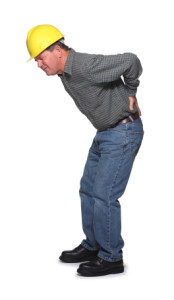 Many clients with herniated discs, sciatica, and other low back and hip problems have benefited from these techniques. Nearly all experience profound relief. Some have been able to avoid more invasive treatments, including surgery, and return to the activities and work they love.
In this class, you will learn real tools for the low back that you can use right away in your practice to maximize the effectiveness of your work while minimizing stress on your body. DIT for low back combines effective myofascial, neuromuscular, and cranial-sacral techniques to relieve tight muscles and fascia. You will learn both deep and gentle DIT techniques that work very well together.
In addition, we will explore the muscle and fascial anatomy of the low back, common compensation patterns, and trigger point referral patterns, demonstrating how these can be relieved using DIT techniques.
“If you have not taken one of John Ray’s CEU’s then you are missing out. Excellent instructor and lots of great techniques. I took DIT for legs, hips, and back, and I absolutely LOVED the class. I have used it in every massage since.” ~ Crystal
The DIT-Low Back class can be taken on its own or combined with DIT-Legs and DIT-Upper Back for even greater results.
DIT for Treating Shoulder, Arm, and Hand Conditions
Many activities and occupations cause people to have problems with their shoulder, arm, elbow, wrist, or hand. We see athletes with shoulder pain, musicians with hand pain, massage therapists with forearm or thumb pain, construction workers with chronic elbow soreness, office workers with wrist issues, and much more.

Topless athletic man holds elbow as he shrieks in pain
These clients usually do not have the luxury to just stop the activities and jobs that produce their repetitive movement patterns. With DIT, you can relieve their discomfort and pain and help them find ways to continue the work and activities they love.
You will learn Direct and Indirect Techniques for the rotator cuff muscles (infraspinatus, supraspinatus, teres minor, and subscapularis), deltoids and upper arm muscles (biceps, brachialis, coracobrachialis, and triceps), forearm muscles (brachioradialis, supinator, pronators, flexors, and extensors), and muscles of the hand.
You will use a specific combination of both deep and gentle myofascial, neuromuscular, and cranial-sacral techniques that effectively relieve tight shoulder, arm and hand muscles and fascia. You will also practice DITechniques to address brachial plexus difficulties resulting in shooting pain, numbness, or tingling down the arm and/or into the wrist and hand.
We will explore the muscle and fascial anatomy of the shoulder, arm and hand, as well as common compensation patterns and trigger point referral patterns, and demonstrate how these can be relieved using these techniques. In this class, you’ll learn real tools for the shoulder, arm and hand that you can use right away in your practice, maximizing the effectiveness of your work while minimizing stress on your body.
“I thought I knew it all when working on neck and shoulders, but I was wrong. Mr. Ray, you were wonderful. I will be able to help a lot of people with what I learned. Thank you so much.” ~ Kevin
The DIT for Shoulder class combines well with the DIT for Neck and DIT for TMJ classes.
DIT for Treating Neck Pain, Hypertonicity, & Related Conditions
Millions of people carry tremendous tension in their neck – including a lot of massage therapists! With DIT, therapists have the tools they need to work effectively on a variety of neck conditions. For many of our students, this comment from satisfied clients is common: ‘No one has ever worked on my neck like that before.’
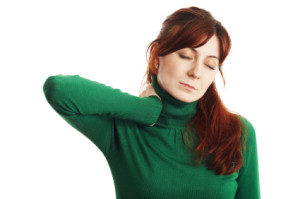
woman with severe neck pain, rubbing her neck with her hand
This class will give you the tools you need to help your clients feel as if their neck is brand new. You will learn real tools that you can use right away in your practice, maximizing the effectiveness of your massage technique while minimizing stress on your body.
The areas of focus include the major anterior neck muscles (SCM, scalenes, hyoids, etc.) and posterior neck muscles (levator scapula, upper trapezius, suboccipitals, splenius, superior erector spinae and transversopinalis group), as well as other supporting muscles and structures.
You will practice a specific combination of myo-fascial, neuro-muscular, and cranial-sacral techniques for relieving tight neck muscles and fascia – a blend of deep and gentle techniques that are very effective when used together.
We will explore the muscle and fascial anatomy of the neck, as well as common compensation patterns and trigger point referral patterns, and demonstrate how these can be relieved using the DIT techniques.
“I can say without a doubt that taking your classes has made a huge difference in my work, business and most of all for my clients! Receiving that bodywork helped my neck issues and has made it possible for me to continue doing what I love,massage!! Thank you for sharing your knowledge and expertise!!” (Lori)
This DIT for the Neck class combines well with the DIT for the Shoulder and Arm and DIT for TMJ classes.
DIT for TMJ Dysfunction, Jaw Pain, and Related Conditions
TMJ Dysfunction affects more people than most therapists would expect. The jaw clenchers and teeth-grinders of the world are numerous, and you may even be one of them! TMJD is often involved with Neck pain, and it can also be a major factor with headaches, including migraines!

Woman with head pains
Many people with TMJD do not realize that their jaw muscles are a source of their symptoms. And if they do, they do not know that their symptoms can often be treated successfully with specific massage techniques! In this class, you will learn real tools for the TMJ that you can use right away in your practice to give your clients relief.
The primary learning objectives of this course are to help massage therapists recognize the different causes of TMJD and Jaw pain, what symptoms indicate possible TMJD, and how to use Direct-Indirect Technique™ to treat TMJD, Jaw pain, and related conditions.
You will practice a specific combination of myofascial, neuromuscular, deep tissue, and cranial-sacral techniques for relieving tight TMJ muscles and fascia – a blend of deep and gentle techniques that are very effective when used together.
We will explore the muscle and fascial anatomy of the TMJ, as well as common compensation patterns and trigger point referral patterns, and demonstrate how these can be relieved using these techniques.
“I love John’s teaching methods, enthusiasm, knowledge, and obvious passion for the subject. Wonderful CEU experience! And the TMJ work is AMAZING!” ~ Sarah
The DIT for TMJ class combines well with the DIT for Neck and DIT for Shoulder classes.
Medical Massage – Chronic Conditions – Ethical Situations – Insurance
DIT – Putting it All Together into a Balanced Bodywork Session
Working on clients with acute or chronic conditions in a clinical setting, such as your office, a hospital, a chiropractic office, or a physical therapy or rehab clinic, requires specialized skills for the massage therapist to be successful. You often work on clients with acute conditions like back pain, headaches, shoulder problems, carpal tunnel syndrome, knee problems, or plantar fascitis, and clients with chronic conditions like fibromyalgia, multiple sclerosis, cancer, or other diagnoses.
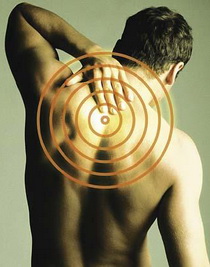 In these situations, you may be most productive working only on that particular problem during that session. Or you may want to do detailed work on that area within the scope of a full-body massage. With either of these scenarios, this class gives you the tools and the framework to be successful at such detailed therapeutic bodywork.
This class will also help you to understand everything you need to know about taking insurance, exactly how to do that, when it works well and when it doesn’t. This can save you a lot of time, money, and frustration!
Clients with acute or chronic conditions often require different massage techniques to achieve similar outcomes, such as loosening tight muscles and fascia, lengthening restricted muscle fibers and intertwined fascial tissue, and working as deep or as light as you need to for each client situation.
The goal is to help clients experience long-lasting relief, better range of motion, and a better quality of life, while taking good care of your own body while you work.
We will look at some of the issues involved with working in clinical situations, such as medical billing, medical codes, certifications, interacting with other health practitioners, and more.
After many years of experience and more than 20,000 bodywork sessions, I have successfully taught thousands of therapists to quickly and easily help clients to feel better, so they can continue doing the job or activities they enjoy doing.
“Excellent experience. John has a natural talent for teaching in a way that is immediately understandable and inspiring.” ~ Quinn